November 28, 2026
Man down alerts: what workplace safety teams need to know
By @everydayworksafety
Man down alerts are designed for a simple but serious problem. A worker may be alone, unable to call for help, and still moving enough that a normal emergency button is not pressed. In lone work settings, that gap can matter. A no motion alarm can help a safety team notice that something may be wrong and start an incident response before hours pass.
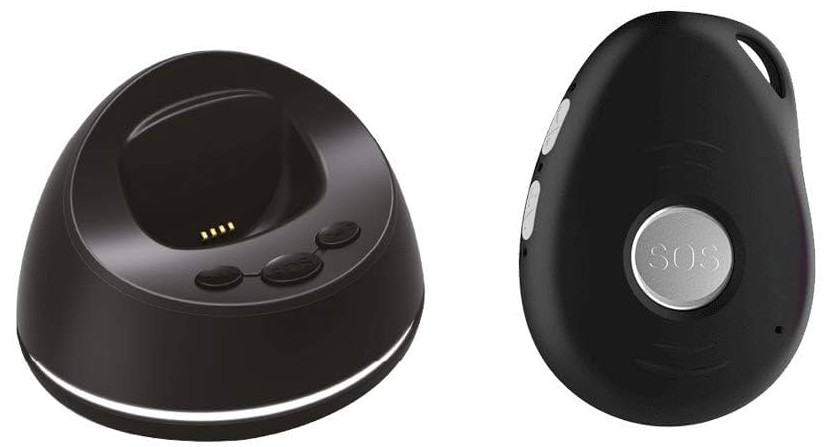
The term is often used alongside wearable lone worker alarms with SOS, GPS, two way voice, man down and fall detection alerts. Those features can overlap, but they are not identical. Understanding the difference helps teams set expectations, choose suitable devices, and decide what should happen when an alert arrives.
What a man down alert means
A man down alert generally points to a possible incident where a person has stopped moving normally or may be lying down after a fall. It does not always prove that an injury has happened. It is an alert that asks someone to check, listen, call, or respond in a way that suits the workplace risk assessment.
This distinction matters. A person sitting still at a desk, kneeling for inspection work, resting during a break, or working in a vehicle may have a perfectly reasonable reason for limited movement. The value of the alert depends on how well the device and the response process account for ordinary work patterns.
Many teams use the phrase no motion alarm when describing the alert logic behind this type of monitoring. In plain terms, the device watches for a lack of expected movement over a set period. If movement does not return, the device may raise an alert. Some systems may include position changes, activity patterns, or a fall event as part of the decision.
How no motion detection works
Wearable devices commonly use motion sensors to understand whether the wearer is active. The sensor data is interpreted by the device or a connected service. When the pattern falls outside what has been expected, an alert can be triggered. The exact rules vary by product and setup, so the practical question is not only whether the feature exists. It is how the feature behaves during normal work.
A well matched setup considers the job, not just the technology. A warehouse worker walking between aisles has a different movement profile from a maintenance worker doing a quiet task in a plant room. A driver may be still for long periods while remaining safe and alert. A person carrying out a visual inspection may stand motionless for several minutes. If the system treats stillness as trouble every time, false alarm numbers can rise and responders may start to treat alerts as noise.
That is why alert delay settings and clear work rules matter. Some roles may need a short delay, while others need a longer window or a staged process. A staged process might first check whether movement resumes, then notify an emergency contact if it does not. The aim is to balance speed with context. Too short, and routine pauses become interruptions. Too long, and a real incident may wait longer than it should.
How fall detection fits in
Fall detection looks at a different signal. Rather than only asking whether someone has stopped moving, it may look for a sudden impact event followed by unusual stillness or a change in position. A fall detection device can add useful context where a sudden fall is a credible risk, but it is still a detection tool rather than a certainty engine.
Some falls are straightforward from the sensor point of view. There is a sharp movement, a change in posture, and then little activity. Others are less clear. A person may fall against equipment, remain conscious and mobile, or move slowly after impact. A fall detection device may not identify every situation, and it may sometimes flag activity that is not a fall. That is why man down and fall alerts are often treated as complementary layers rather than replacements for each other.
For safety teams, the useful question is how these alerts support the wider response plan. A fall alert may tell a responder that a fall is suspected. A man down alert may tell them that someone appears inactive. Two way voice can then help confirm what is happening, if the worker can answer. GPS can help narrow the search area, particularly for workers spread across a site or moving between locations. SOS remains important when the worker is conscious and can act quickly.
What it means for workplace safety teams
The technology is only one part of the outcome. An alert that goes to an unattended inbox has limited value. A clear path from alert to action is what turns a signal into help. Teams should think about who receives alerts, what hours they are monitored, what information is provided, and what responders are expected to do first.
For example, an alert should ideally give enough context for a quick decision. That may include the worker identity, last known location, time of the alert, type of alert, and a way to attempt voice contact. Responders also need a clear rule for escalation. If contact fails, who is called next? If the location is uncertain, where should a check begin? If the worker answers but is distressed, what support is available?

These questions are practical rather than technical. They also help avoid confusion during a stressful moment. When roles are clear, responders spend less time deciding who should act and more time checking on the person. This is especially relevant for lone workers, where there may be no nearby colleague to notice that something is wrong.
Where false alarms create real costs
A false alarm is not just a minor annoyance. Repeated alerts with no incident can lead to alert fatigue, where responders become less attentive. They can also disrupt work, create unnecessary callouts, and reduce trust in the system. Over time, people may ignore alerts that should be taken seriously.
Common causes can include poor role matching, settings that do not reflect the work, device placement that limits movement readings, or activities that naturally involve stillness. A worker may also forget how to pause monitoring during a safe rest period, or may wear the device in a way that does not suit the sensor design. Training and simple routines can reduce these issues.
At the same time, teams should avoid tuning a system so tightly that it misses genuine incidents. The right balance depends on the risk profile. Work with higher physical risk may justify faster escalation, while work with long quiet periods may need clearer check-in habits. The goal is not zero alerts. The goal is alerts that are meaningful and handled consistently.
Questions to ask before relying on alerts
Before a man down alert is treated as a dependable control, it helps to ask a few plain questions. These should be answered against the actual work, not a generic idea of workplace safety.
- Which tasks involve long periods of stillness, and how are those periods handled?
- Who receives an alert during working hours and after hours?
- What does the responder see, and can they make voice contact?
- How are repeated false alarms reviewed and reduced?
- What happens if the worker cannot answer or the location is unclear?
These questions also make it easier to compare devices. A product may advertise SOS, GPS, two way voice, man down and fall detection alerts, yet the daily experience depends on setup and response design. For New Zealand workplaces, the operating environment can add its own considerations, such as remote sites, travel between locations, or workers who spend time outdoors. The practical fit should be judged against those conditions.
Building a response people understand
Workers are more likely to use a device well when they know what it does and what happens after an alert. That includes knowing how to raise SOS, when voice contact may be attempted, and what a man down or fall alert means. It also includes knowing that pausing or ending monitoring is not a casual choice. Clear habits help prevent gaps.
Supervisors need the same clarity. They should know how to respond to a no motion alarm without assuming the worst or dismissing it too quickly. A calm process might involve attempting voice contact, checking last known location, contacting a nearby person if one is available, and escalating according to the plan. Each step should have an owner so no one waits for someone else to act.

Regular review keeps the arrangement honest. If alerts often occur during a particular task, the task may need a different monitoring approach. If responders struggle to find workers, location reporting may need attention. If workers report that the device is uncomfortable or awkward, wearing habits may change and detection may suffer. These are not reasons to abandon the idea. They are signs that the system needs to match the work more closely.
A practical way to think about the alert
A man down alert is best understood as an early signal, not a diagnosis and not a complete safety system on its own. It tells a team that a person may need attention. The quality of that signal depends on sensor logic, settings, wearing habits, and the work being done. The value of the signal depends on the response that follows.
For safety teams, the strongest approach is to connect the alert to a clear, rehearsed process. Decide who responds, what information they need, how voice contact is attempted, and when escalation starts. Then review how the system behaves in ordinary work, not just in ideal conditions. When those pieces line up, no motion and fall alerts become useful parts of a wider lone worker safety plan rather than isolated features on a device.
❧